
A balanced diet is about giving your body a variety of nutrients from different food groups. It does not mean following a restrictive plan or avoiding every food you enjoy. Instead, it means building meals that include a healthy mix of carbohydrates, protein, healthy fats, vitamins, minerals, and enough water.
What Is a Balanced Diet?
A balanced diet includes a variety of foods in suitable portions. The goal is to provide the energy and nutrients your body needs for daily activities, growth, repair, and overall well-being.
The Main Components of a Balanced Diet
1. Fruits and Vegetables
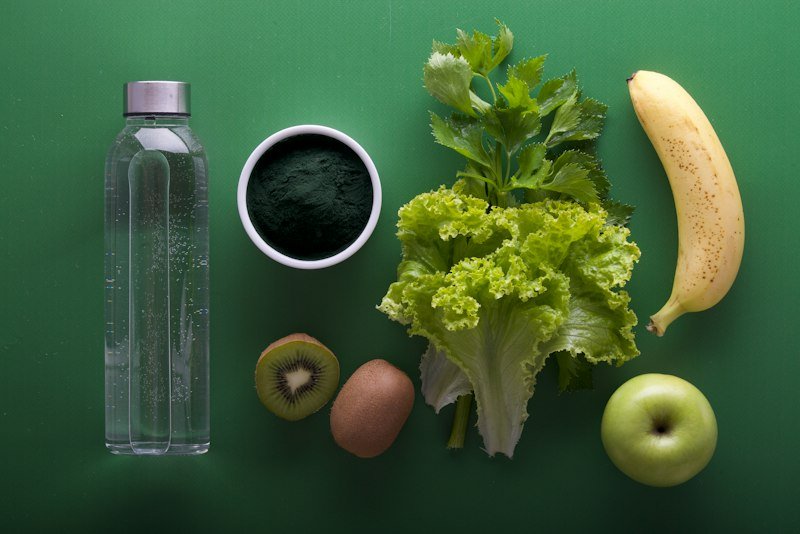
Include different colors and varieties of fruits and vegetables. They provide fiber, vitamins, minerals, and protective plant compounds. Try to include vegetables in lunch and dinner and fruit as a snack or part of breakfast.
2. Whole Grains and Other Carbohydrates
 alt=”Whole grains and healthy carbohydrate foods” width=”300″ />
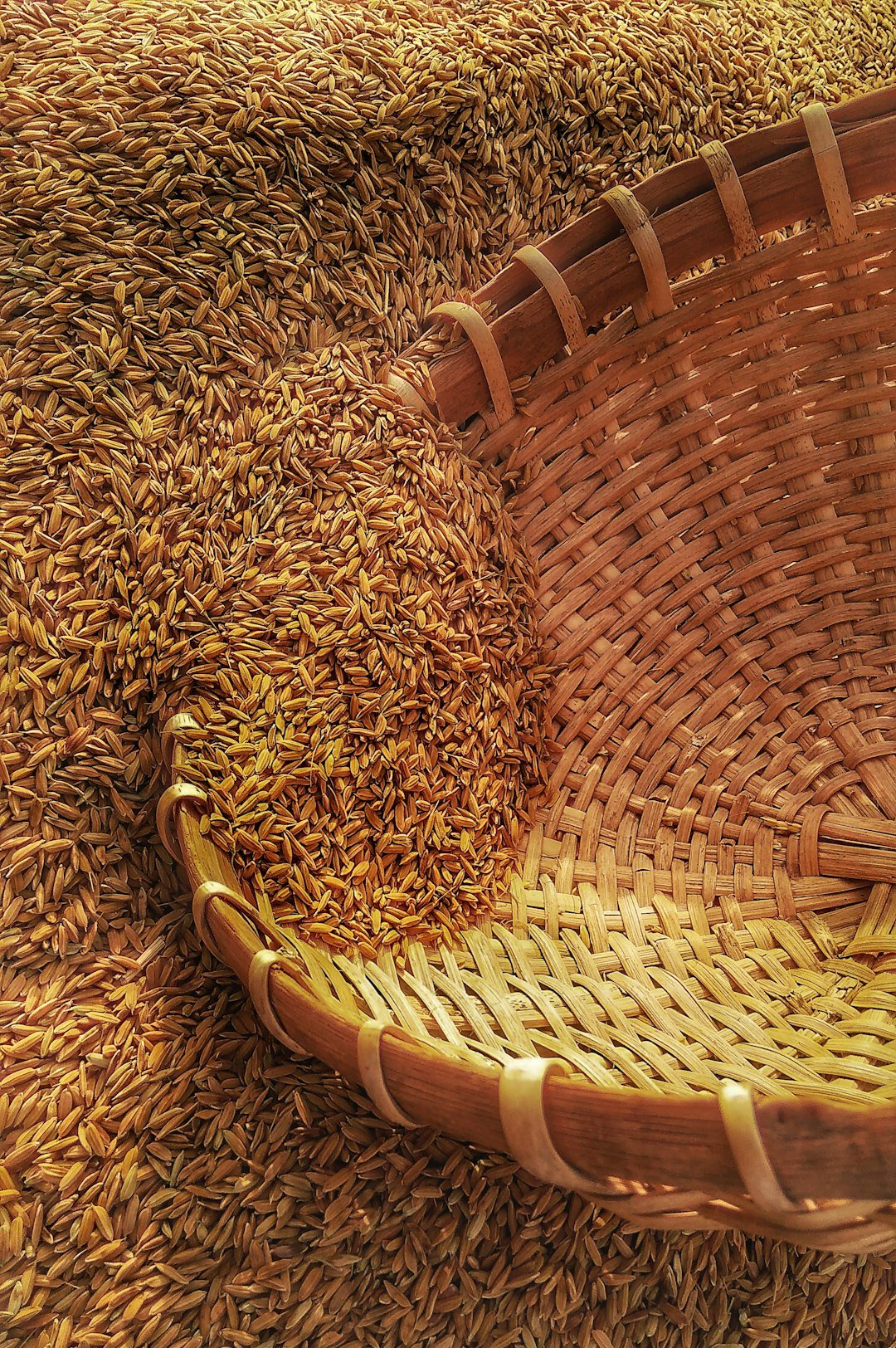
Foods such as oats, brown rice, whole-wheat roti, quinoa, millets, and other whole grains can provide energy and fiber. Choose minimally processed carbohydrate sources more often.
3. Protein-Rich Foods
 alt=”Protein-rich foods as part of a balanced diet” width=”300″ />
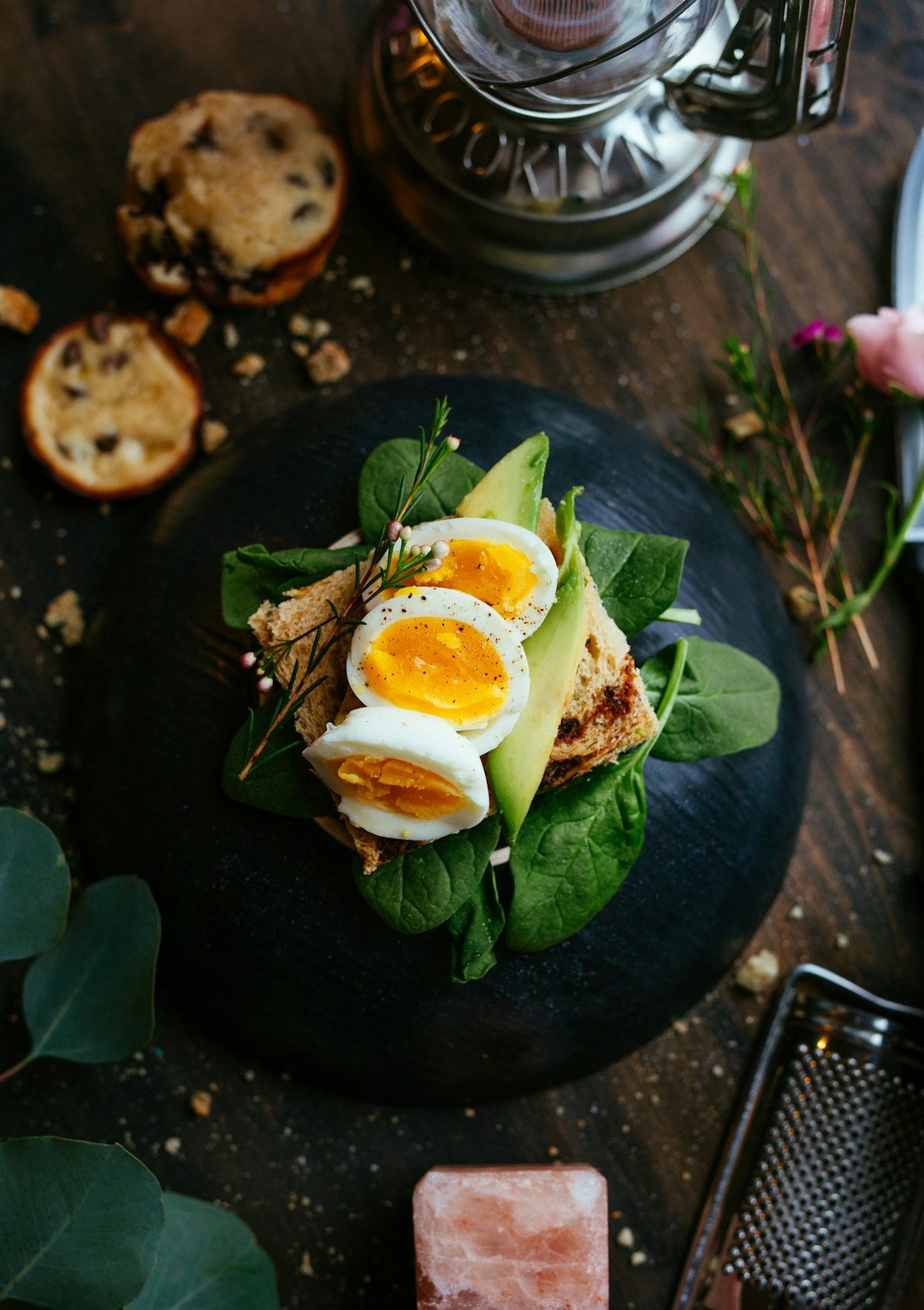
Protein supports muscle maintenance and body repair. Good options include beans, lentils, chickpeas, peas, eggs, fish, poultry, dairy products, tofu, nuts, and seeds.
4. Healthy Fats
Healthy fats from foods such as nuts, seeds, avocados, olive oil, and other plant oils can be part of a balanced eating pattern. Fats are nutritious but energy-dense, so portions still matter.
5. Dairy or Fortified Alternatives
Milk, yogurt, paneer, and calcium-fortified alternatives can help provide calcium and other nutrients. Choose options that suit your dietary needs and preferences.
6. Water and Hydration
Water is essential for normal body functions. Drink regularly throughout the day and choose water more often than sugary drinks.
What Does a Balanced Plate Look Like?
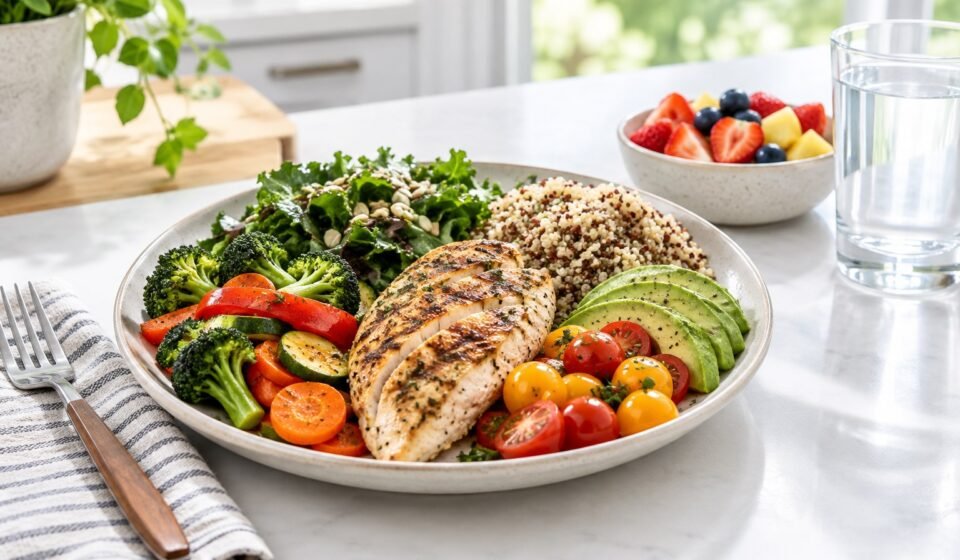
A simple approach is to fill about half your plate with vegetables and fruit, one quarter with protein-rich foods, and one quarter with whole grains or other high-fiber carbohydrates. Add a moderate portion of healthy fat and water alongside the meal.
Simple Balanced Meal Ideas
- Vegetable dal with brown rice and plain yogurt
- Whole-wheat roti with mixed vegetables, chickpeas, and salad
- Oats with fruit, yogurt, and nuts
- Grilled fish or tofu with quinoa and steamed vegetables
- Paneer or bean wrap with vegetables
Tips for Building Better Eating Habits
- Include variety instead of eating the same foods every day.
- Pay attention to portion sizes without obsessing over numbers.
- Choose fresh or minimally processed foods more often.
- Limit excess added sugar, salt, and highly processed foods.
- Plan meals ahead to make balanced choices easier.
- Enjoy favorite foods in moderation as part of an overall healthy pattern.
Final Thoughts
A balanced diet does not need to be complicated or expensive. Focus on variety, sensible portions, regular meals, and foods that provide a broad range of nutrients. If you have a medical condition or specific dietary needs, consult a qualified healthcare professional or registered dietitian for personalized advice.
FAQs About a Balanced Diet
Find answers to common questions about balanced meals, food groups, and healthy eating habits.
What is a balanced diet?
What should a balanced plate include?
Are carbohydrates part of a healthy diet?
How important is protein in daily meals?
Should I avoid all favorite foods?