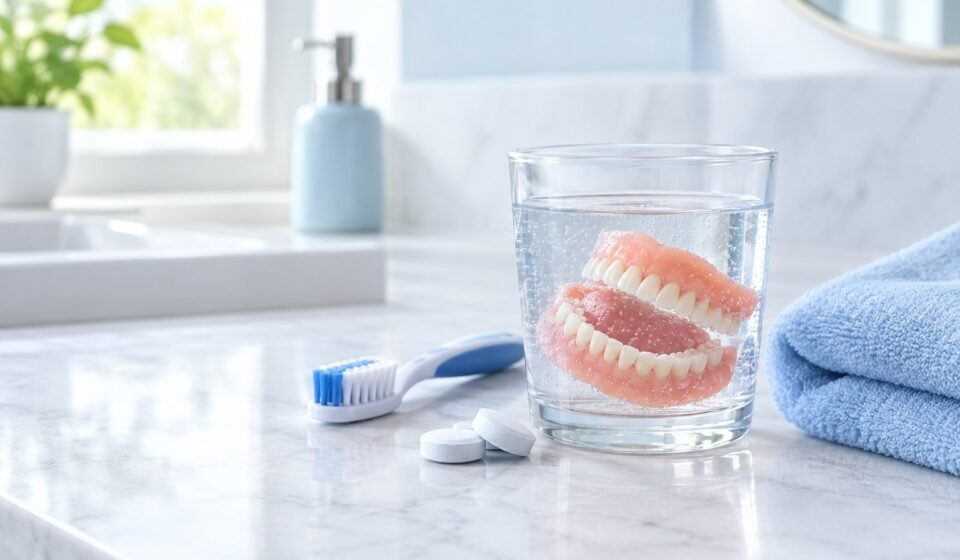

Getting used to dentures takes time, and taking care of them properly takes even longer to get right. Whether you’ve just gotten your first set or you’ve been wearing them for years, small daily habits make a huge difference in how long your dentures last, how comfortable they feel, and how healthy your mouth stays overall.
Most people don’t realize that dentures need almost as much attention as natural teeth — sometimes more. Neglecting proper care doesn’t just shorten the lifespan of your dentures; it can also lead to gum irritation, bad breath, and even infections. The good news is that once you build the right routine, it takes only a few extra minutes a day.
Here’s everything you need to know to keep your dentures clean, comfortable, and lasting as long as possible.
1. Clean Your Dentures Every Single Day
This might sound obvious, but a surprising number of people skip daily cleaning or don’t do it properly. Dentures accumulate plaque, bacteria, and food particles just like natural teeth do — and if left uncleaned, this buildup can lead to bad odor, gum inflammation, and staining.
Remove your dentures after meals if possible and rinse them under running water to clear away loose debris. At least once a day, brush them gently with a soft-bristled brush (denture brushes work best) and a non-abrasive cleanser. Avoid regular toothpaste — many formulas are too abrasive and can create tiny scratches where bacteria can hide.
2. Never Let Them Dry Out
Dentures are designed to stay moist. If left out in open air for too long, most types can lose their shape or become brittle over time.
When you’re not wearing them — especially overnight — soak your dentures in water or a denture-soaking solution recommended by your dentist. This keeps them from warping and also helps loosen any residue that regular brushing might miss.
3. Handle Them With Care
It’s easy to underestimate how fragile dentures can be. Dropping them on a hard bathroom counter or sink is one of the most common ways people accidentally damage or crack their dentures.
When cleaning them, stand over a folded towel or a sink filled with water — this way, if they slip out of your hands, they land on something soft instead of a hard surface.
4. Give Your Gums a Break
Wearing dentures all day, every day, without giving your gums any rest can lead to irritation, sore spots, and even accelerated bone loss in some cases. Most dentists recommend removing your dentures for at least a few hours a day, ideally at night, so your gum tissue can breathe and recover.
While your dentures are out, gently massage your gums and clean your mouth with a soft brush or a clean, damp cloth. This simple habit improves circulation in the gum tissue and helps prevent infections.
5. Watch What You Eat, Especially at First
If you’re new to dentures, certain foods can be more challenging to manage — particularly sticky, hard, or overly chewy items. Foods like caramel, nuts, or tough meats can put unnecessary pressure on your dentures or even dislodge them.
As you adjust, start with softer foods and gradually reintroduce a wider variety as your comfort and confidence improve. Cutting food into smaller pieces and chewing slowly on both sides of your mouth also helps distribute pressure evenly.
6. Don’t Ignore Discomfort or Looseness
Dentures shouldn’t cause ongoing pain. If you notice persistent soreness, irritation, or a looser fit than usual, don’t try to “push through it” — this is a sign that an adjustment is needed.
Over time, the shape of your gums and jawbone can naturally change, which affects how well your dentures fit. Ignoring this can lead to more serious issues, including difficulty eating, speech changes, or sores that don’t heal properly.
7. Schedule Regular Dental Checkups
Even with dentures, regular visits to your dentist matter. Routine checkups allow your dentist to examine your gums, check for signs of irritation or infection, and assess whether your dentures still fit properly.
Many people assume that once they have dentures, regular dental visits are no longer necessary — but the opposite is true. Your mouth continues to change over time, and dentures that fit perfectly a year ago may need adjustments now.
8. Avoid DIY Repairs
If your dentures crack, chip, or break, resist the temptation to fix them yourself with household glue or adhesive. These products aren’t designed for use in the mouth and can be toxic or cause further damage that’s harder to repair professionally.
Instead, reach out to a qualified denture provider as soon as possible. Professional repairs ensure the fit and function of your dentures aren’t compromised, and they’re far safer than any DIY fix.
Getting the Right Fit Matters More Than You Think
A lot of denture discomfort and premature wear actually comes down to one thing: fit. Dentures that are properly measured, custom-fitted, and adjusted by experienced professionals tend to last longer and feel far more comfortable day to day.
If you’re considering new dentures or need adjustments to an existing set, working with a lab that specializes in custom denture solutions can make a real difference — proper craftsmanship and a precise fit are the foundation of long-term comfort.
Final Thoughts
Caring for dentures isn’t complicated, but it does require consistency. A simple daily routine — cleaning, soaking, handling with care, and giving your gums a break — goes a long way toward keeping your dentures in good condition and your mouth healthy.
And when something feels off, whether it’s a loose fit or persistent discomfort, don’t wait it out. Getting professional input early can save you from bigger problems down the line, and it usually means an easier, more comfortable experience overall.
FAQs About Denture Care
Find answers to common questions about cleaning, storing, wearing, and maintaining dentures.
How often should dentures be cleaned?
Should dentures be soaked overnight?
Can regular toothpaste be used on dentures?
What should I do if my dentures feel loose or painful?
Can I repair broken dentures at home?